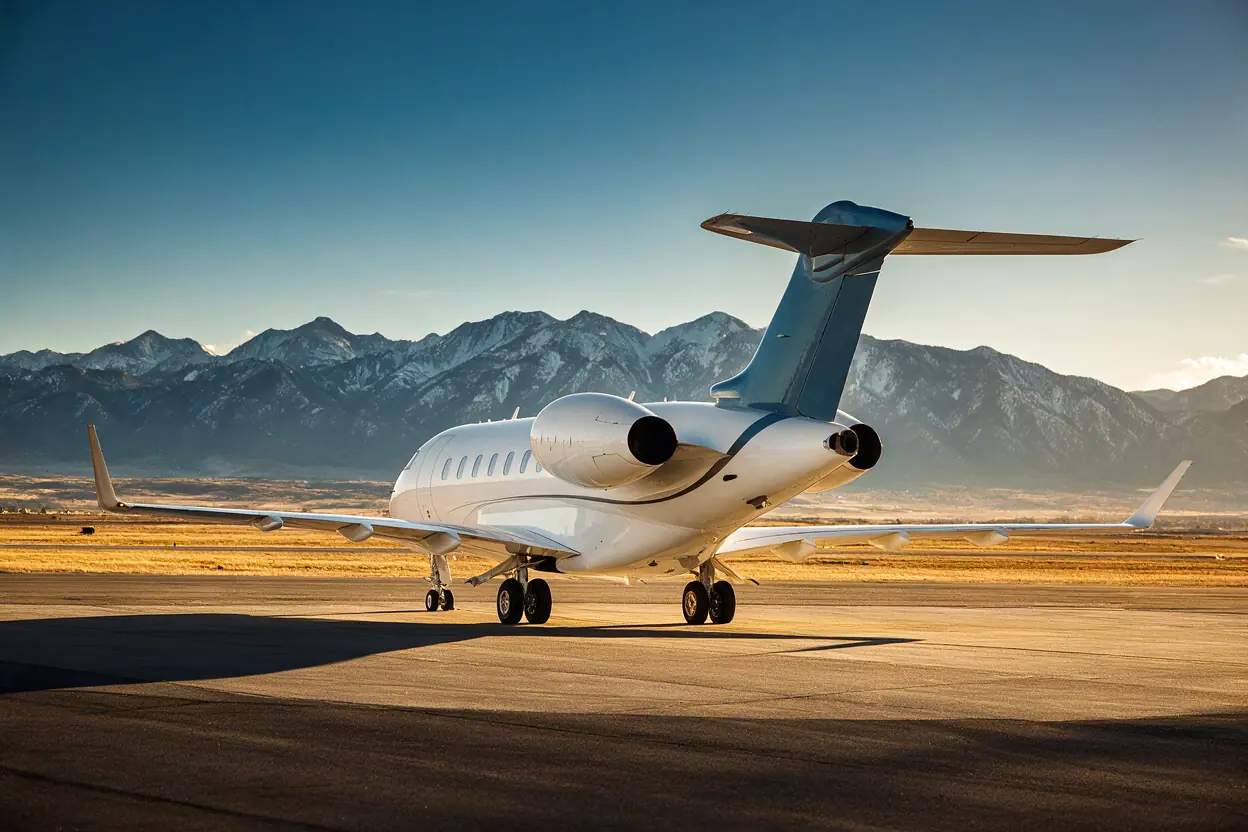
Private jet charter companies in Denver
Denver's charter buyers face a mountain-specific set of trade-offs. Centennial Airport sits at 5,885 feet with a 10,001-foot runway. Summer density altitude there can reach 9,800 feet, which changes what aircraft can depart.
- Main page
- Denver
- 1field
- 0quoted routes
Denver's charter market is shaped by one number: elevation. Centennial Airport (KAPA) is the busiest general aviation field in the region, and its 5,885-foot elevation means every quote you receive reflects a performance calculation, not just a hourly rate. On hot July afternoons, density altitude at KAPA can climb to 9,200 feet or higher, and peak summer conditions push it toward 9,800. That figure determines whether a light jet can depart with a full load or needs a longer runway and a lighter fuel load. When comparing companies, ask whether the quote assumes morning departure temperatures or peak afternoon heat.
The routes that matter from Denver split into two groups. Mountain and regional legs, such as Denver to Aspen or Vail, are short but demand climb performance; turboprops and light jets handle them routinely but may face weight restrictions in summer. Longer legs to the West Coast or Midwest favor midsize and super-midsize aircraft. A private jet charter flight from Denver to a coastal city often prices out better in a midsize jet because the range margin reduces the need for a fuel stop. International legs, such as Denver to Mexico or the Caribbean, require a heavy jet for nonstop range and a customs stop on return; CBP clearance at a designated airport is part of the plan.
Availability in Denver tracks the calendar. Winter weekends bring ski traffic to mountain airports, tightening supply and pushing rates upward; summer afternoons bring density altitude restrictions that can limit which aircraft are offered. If you are flying to a ski airport in February, then book earlier and expect fewer aircraft options than a midweek business leg to Chicago. Companies that quote Denver routes should be able to explain how they select aircraft for high-elevation departures and what alternate airports they use when mountain weather closes in.
Airports serving Denver
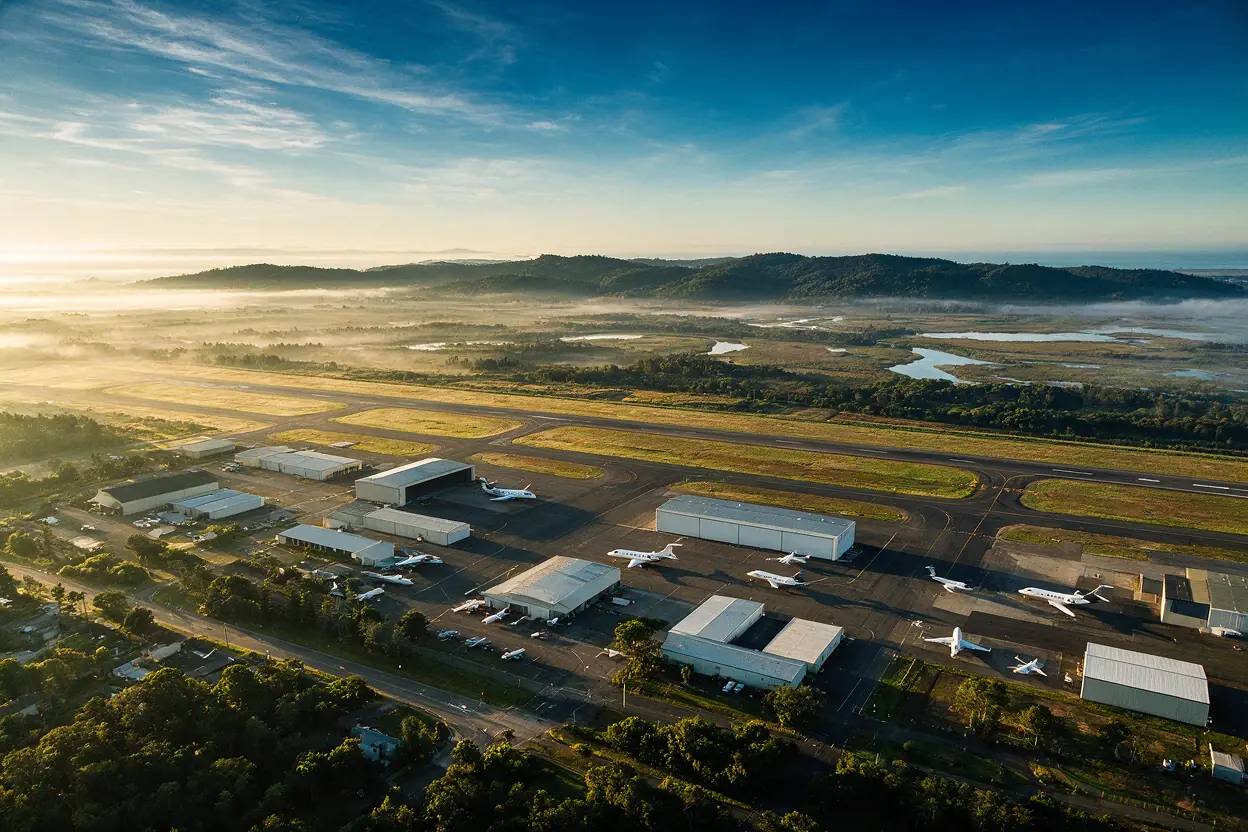
Denver airports and availability
Centennial Airport (KAPA) is the primary general aviation field for charter departures south of Denver, with a 10,001-foot runway that supports larger aircraft and a published elevation of 5,885 feet. The runway length helps on hot days, but density altitude still limits light jet payloads in July and August. Denver's climate shows the pattern: average monthly highs peak at 88 F in July, and the airport's wettest months include May with 12 wet days, which can bring afternoon thunderstorms and ground stops. If your trip is in summer, then a morning departure often avoids both the heat and the storm buildup. Winter trips to mountain airports may face snow and deicing delays; build a buffer into your schedule rather than assuming a tight connection to a commercial flight.
| When | Mean high | Precip. days |
|---|---|---|
| Jan | 41°F | 5 |
| Feb | 41°F | 8 |
| Mar | 49°F | 8 |
| Apr | 59°F | 8 |
| May | 69°F | 12 |
| Jun | 83°F | 8 |
| Jul | 88°F | 6 |
| Aug | 87°F | 6 |
| Sep | 80°F | 6 |
| Oct | 67°F | 4 |
| Nov | 53°F | 5 |
| Dec | 46°F | 5 |
Estimate a route
Select a route, number of travelers and bags to view the matching class, flight duration and a price range.
How to compare companies in Denver
Ask for aircraft performance assumptions
A Denver quote should state the departure airport, time of day, and assumed temperature, because density altitude at Centennial can reach 9,200 feet or more. Companies that show their performance math make it easier to compare apples to apples, and you can see whether a light jet is offered with a reduced passenger count.
Confirm airport and FBO options
Centennial Airport has three FBOs, so your quote should name which one and whether ground handling is included. If your itinerary starts near Boulder or the northern suburbs, then a different airport may shorten your drive; ask the company to compare total trip time, not just flight time.
Check the operator's certificate
As a broker, the company you buy from will arrange the flight with an operator. Before you pay, ask for the operator's FAA Part 135 certificate number and confirm it matches the aircraft you were quoted. A certificate check takes minutes and tells you who is actually flying the aircraft.
Compare the full quote, not the hourly rate
Hourly rates for turboprops in Denver range from $2,200 to $3,500, but the total depends on flight time, positioning, landing fees, and crew overnight costs. If a quote is significantly lower, then ask what is excluded; a missing landing or deicing fee can erase the difference on a winter mountain leg.
FAQ
Which airports do private jet charter companies in Denver use?
Most Denver charter flights use Centennial Airport (KAPA), which has a 10,001-foot runway and sits at 5,885 feet elevation. Some itineraries may use other regional fields depending on your destination and aircraft performance. Ask the company to name the airport and FBO in the quote so you can compare driving time and ground handling. In summer, density altitude at Centennial can reach 9,200 feet or higher, which may affect aircraft selection.
How much does a private jet charter from Denver cost?
Hourly rates for aircraft used in Denver start around $2,200 for turboprops and rise to $14,500 for heavy jets, depending on class. These are estimates, not quotes, and the final price includes flight time, positioning, landing fees, and crew costs. A short mountain leg may price near the hourly minimum, while a cross-country trip in a heavy jet reflects the full range. Always compare total quotes using the same departure airport and flight time.
Does Denver's elevation affect private jet charter flights?
Yes. Centennial Airport's 5,885-foot elevation means density altitude can reach 9,200 feet in July and approach 9,800 feet in peak summer heat. That reduces aircraft performance, particularly for light jets, which may need a shorter passenger list or a different aircraft. Companies that quote Denver routes should explain their performance assumptions. If you are flying in summer, then a morning departure often improves options and reduces the chance of afternoon thunderstorm delays.
When should I book a private jet charter in Denver?
For winter ski weekends and summer holidays, booking several weeks ahead improves aircraft availability, though the exact window depends on the season and aircraft class. Denver's charter supply tightens when mountain-bound travelers compete for the same light jets and turboprops. If your trip falls on a peak weekend, then ask the company to hold an aircraft early and confirm the cancellation terms. Off-peak business legs often have more flexibility, but last-minute requests may limit you to larger aircraft.